My place to experiment
Laboratory

I run a product with paying customers. I can't afford to experiment with it.
But I need creative freedom.
And I recently found a format that works for me: a personal laboratory. I make things for fun, to explore, or to learn. I launch them, get feedback, and improve. Nothing here can break anyone's business, so I feel free to try anything.
Some projects might become products. Others will stay experiments.
If you build software, I highly encourage you to start your own laboratory: a place where you are allowed to play.
— Dmytro
Projects
- 3D city map
Isometric World
↗ IsometricWorld
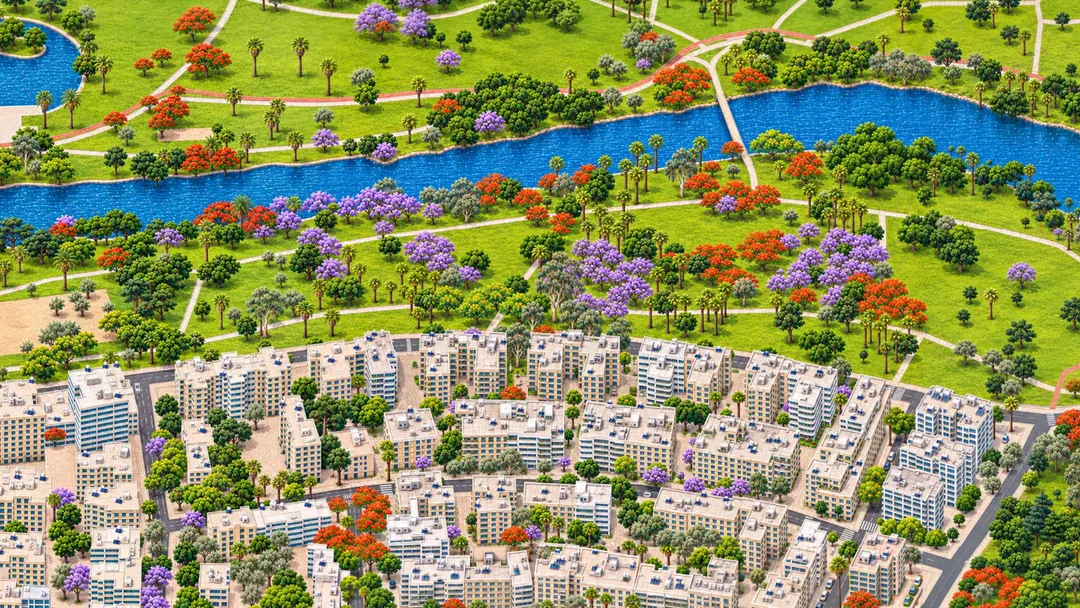
An isometric city built from real open data, with every building and tree where it actually stands. Each building is modeled in 3D and painted with GPT Image 2.6 in one shared style.
- Browser game
Tiny Dino Land
↗ TinyDinoLand
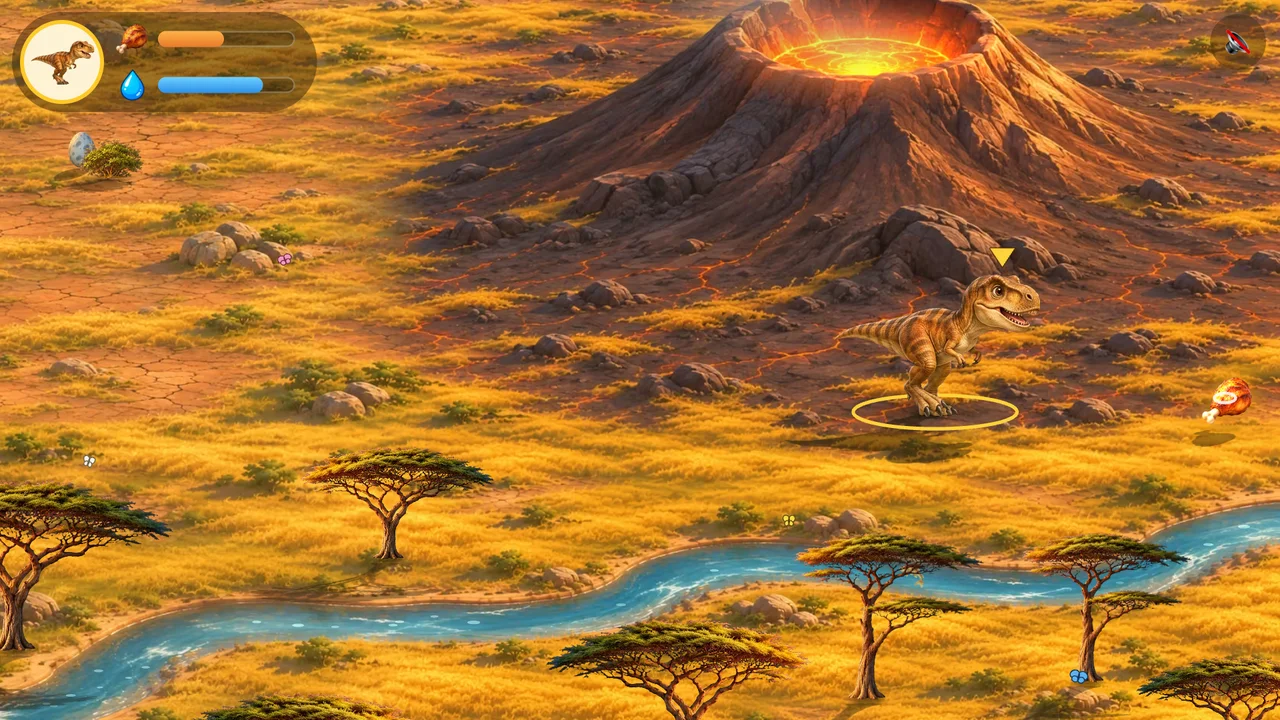
A tiny dinosaur world in the browser. Keep your dino fed and watered as it roams among trees, critters and a volcano that can erupt at any moment.
- AI index
Is Software Solved
↗ IsSoftwareSolved.com
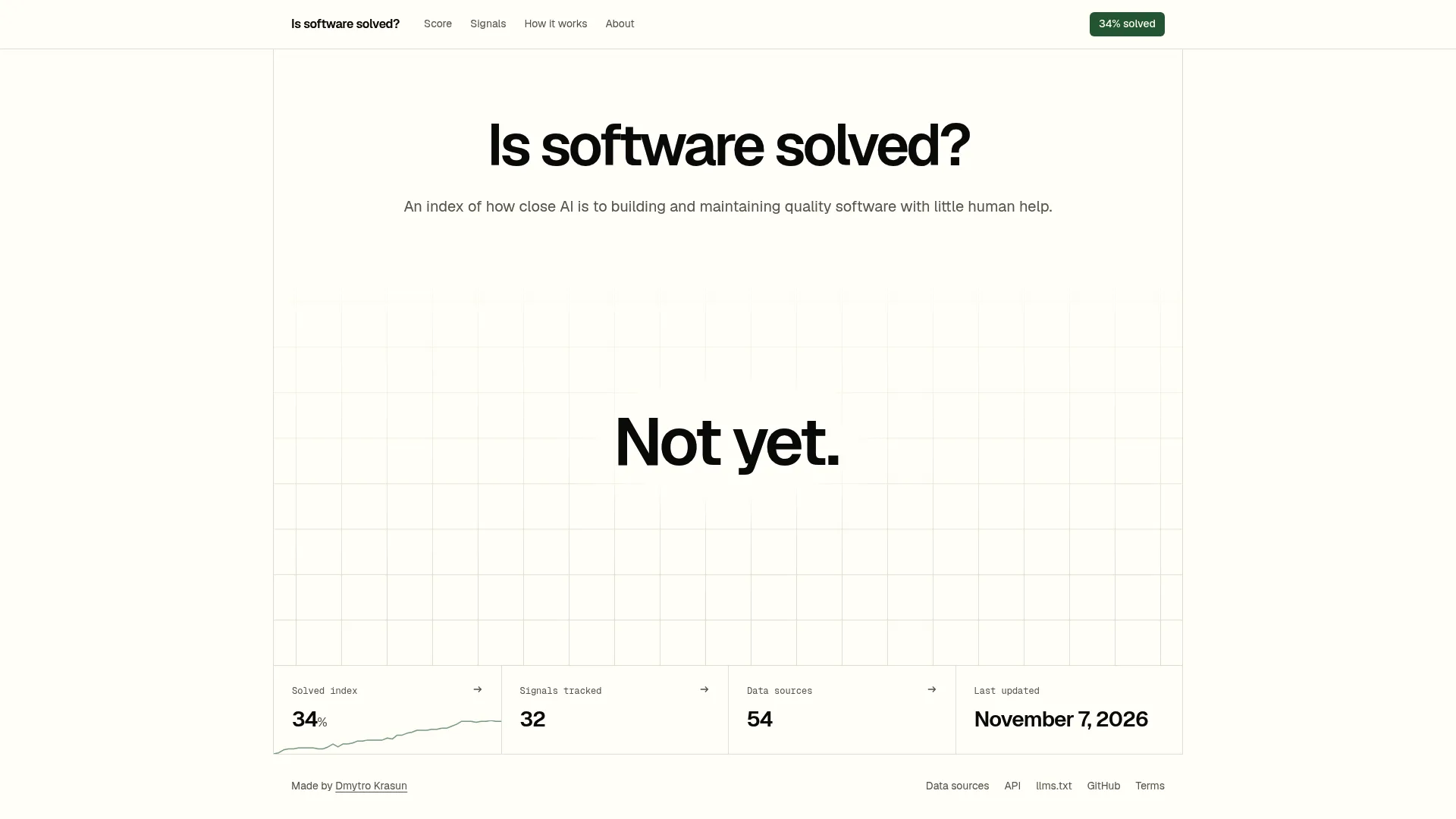
An index to measure when AI can do software work with fewer people or autonomously, at lower cost and more reliably, based on jobs, AI use, revenue and more, instead of opinions and vibes.
-
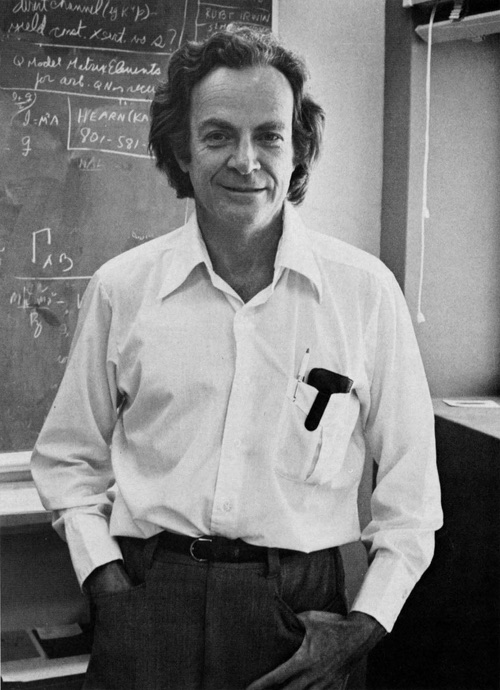
Caltech, 1980s “What I cannot create, I do not understand.”
On his blackboard, 1988 - Physics playground
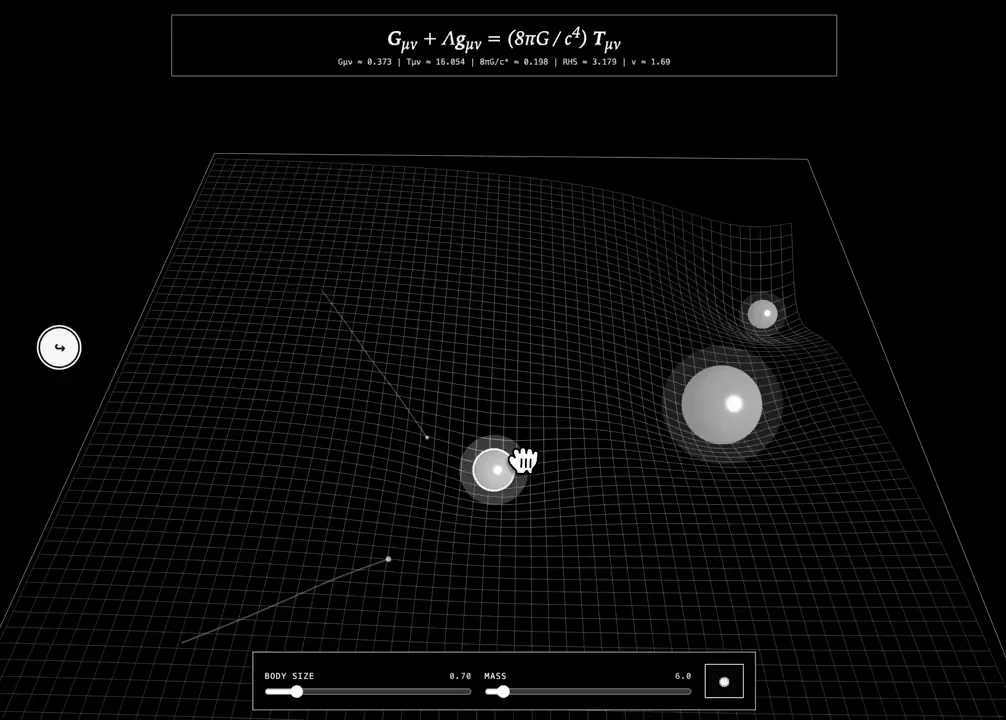
SpaceTimeLoom
↗ SpaceTimeLoom.com
I made it to explain gravity to my kids. They can just play with mass and see how it bends space. You don't have to explain concepts anymore. You can build them!
- Interactive guide
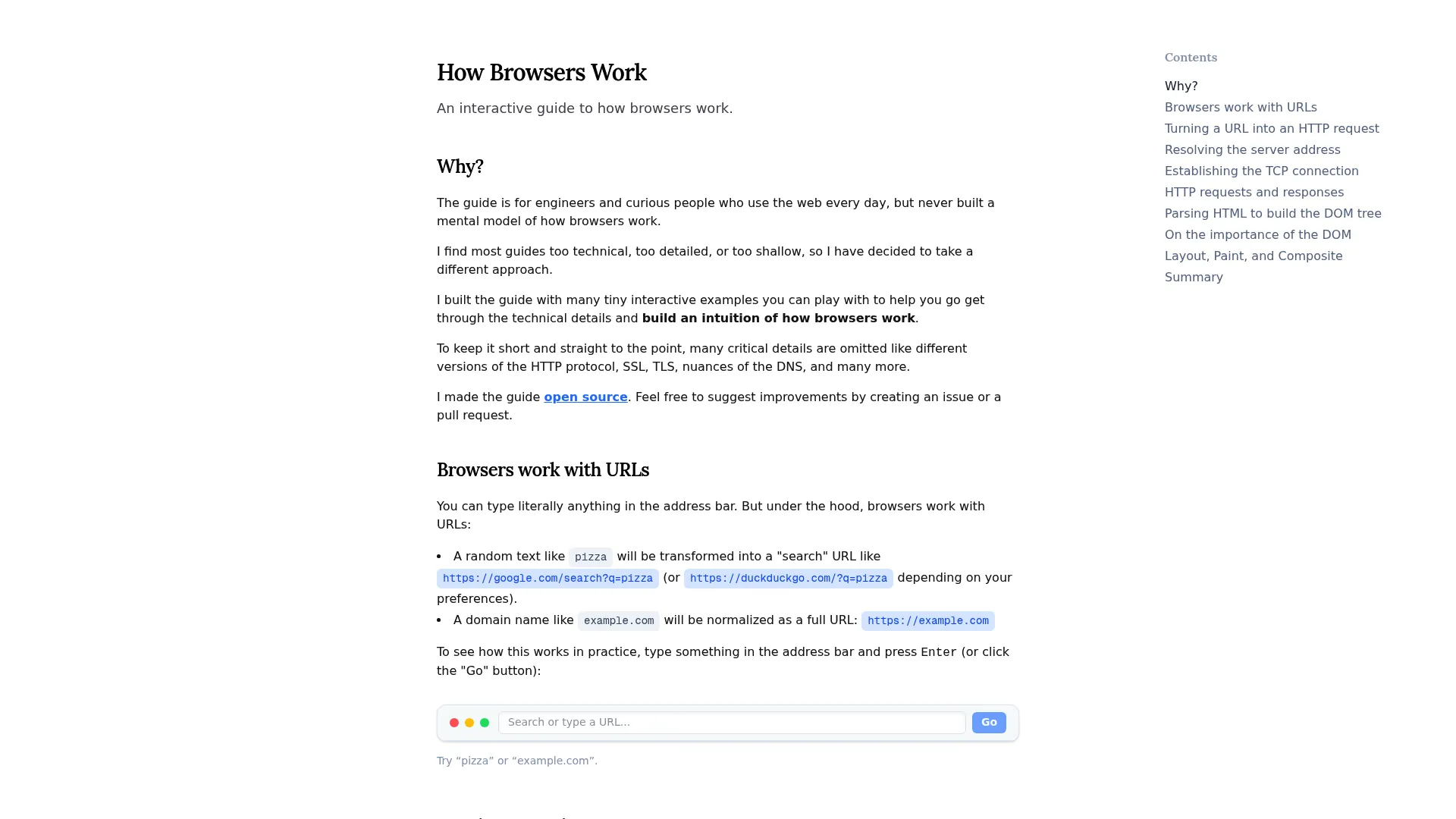
How Browsers Work
↗ HowBrowsersWork.com
An interactive guide to how browsers work.
- MCP server
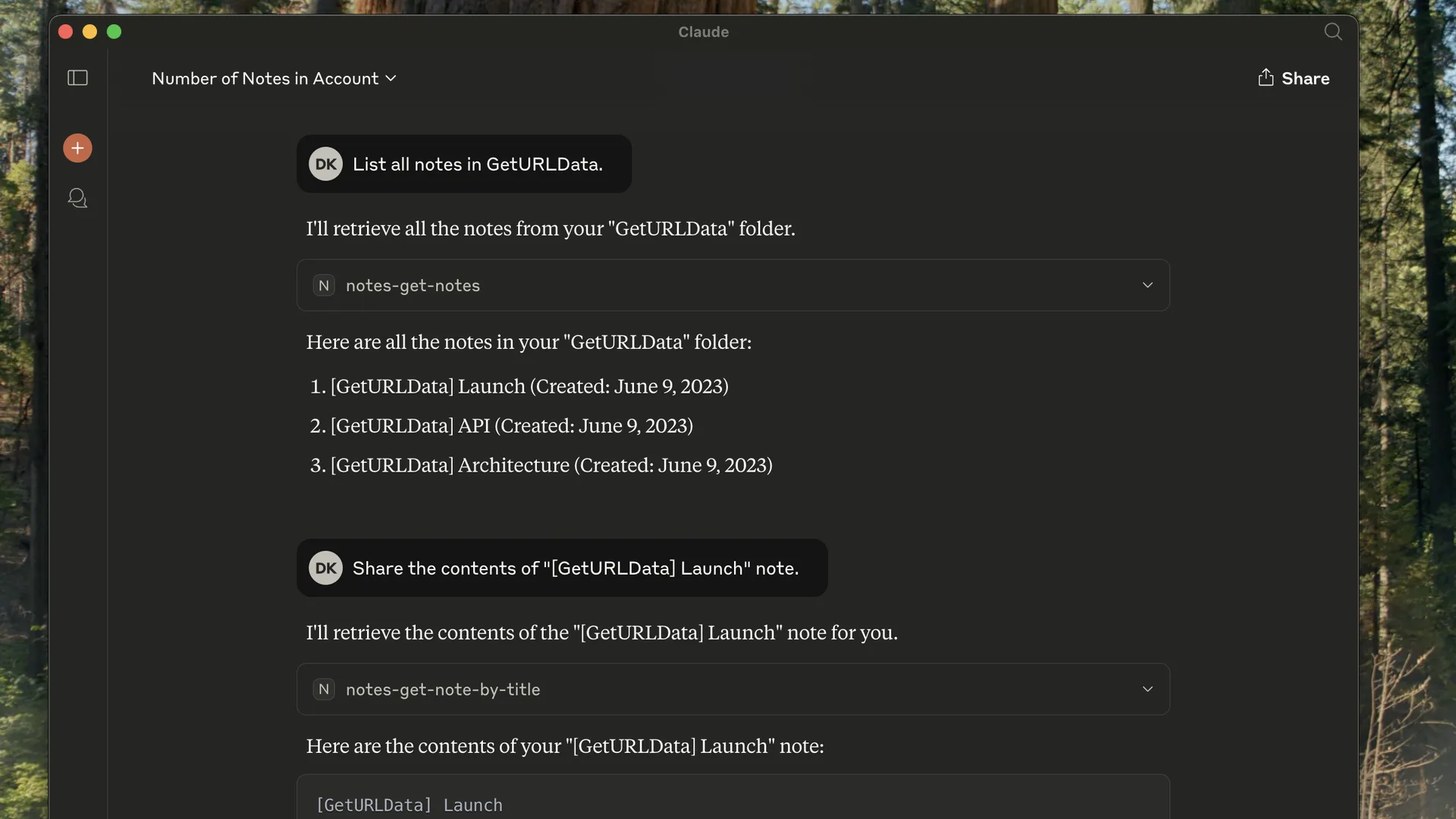
Notes MCP
↗ GitHub.com/krasun/notes-mcp
An MCP server that connects AI assistants like Claude to your Apple Notes on macOS: browse folders, read notes and create new ones.
- SQL parser · Go
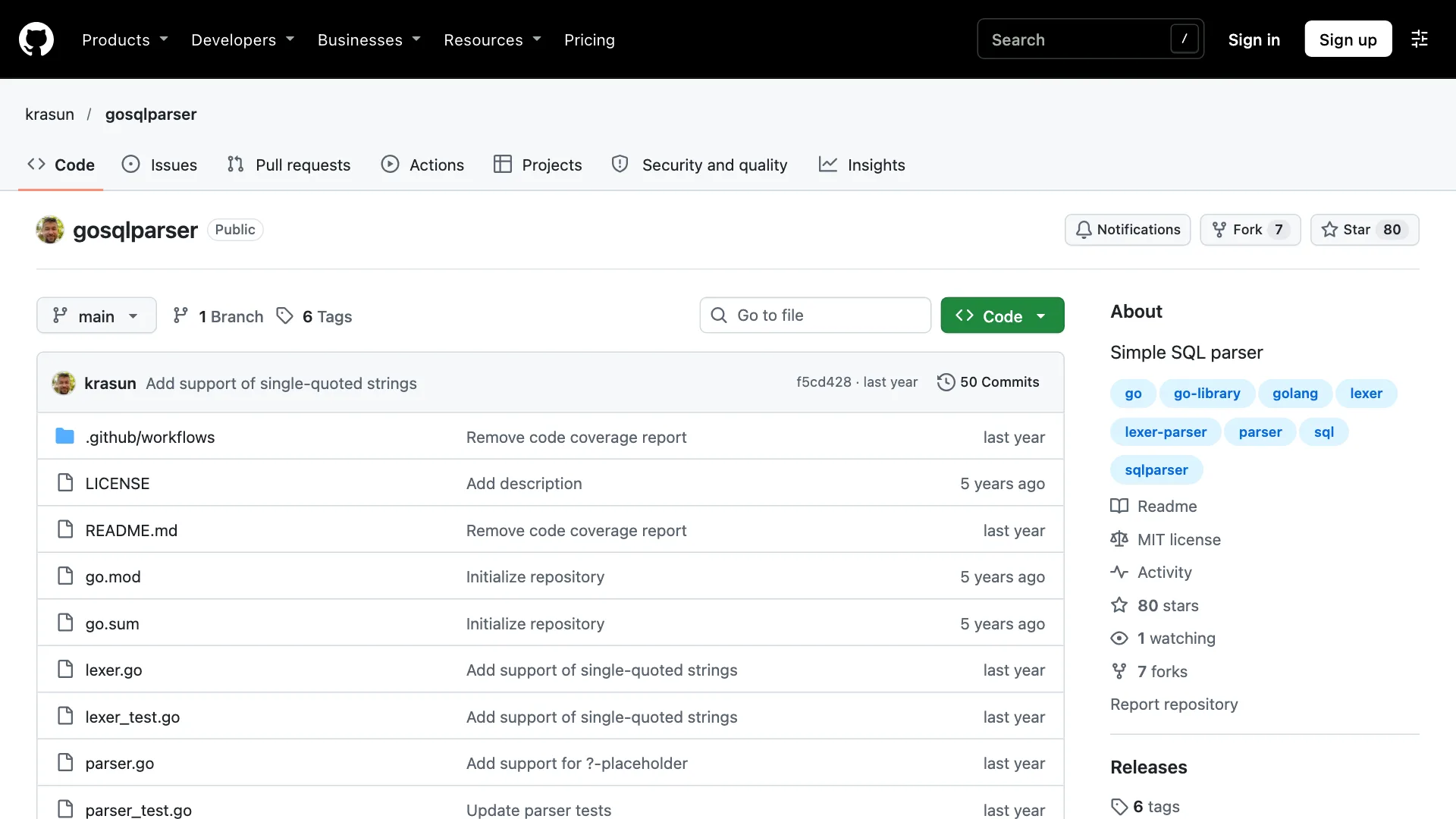
gosqlparser
↗ GitHub.com/krasun/gosqlparser
A simple SQL parser in Go, to use inside a database engine, as an application API instead of RPC or REST, or to query CSV and other table-like files.
- B+ tree storage · Go
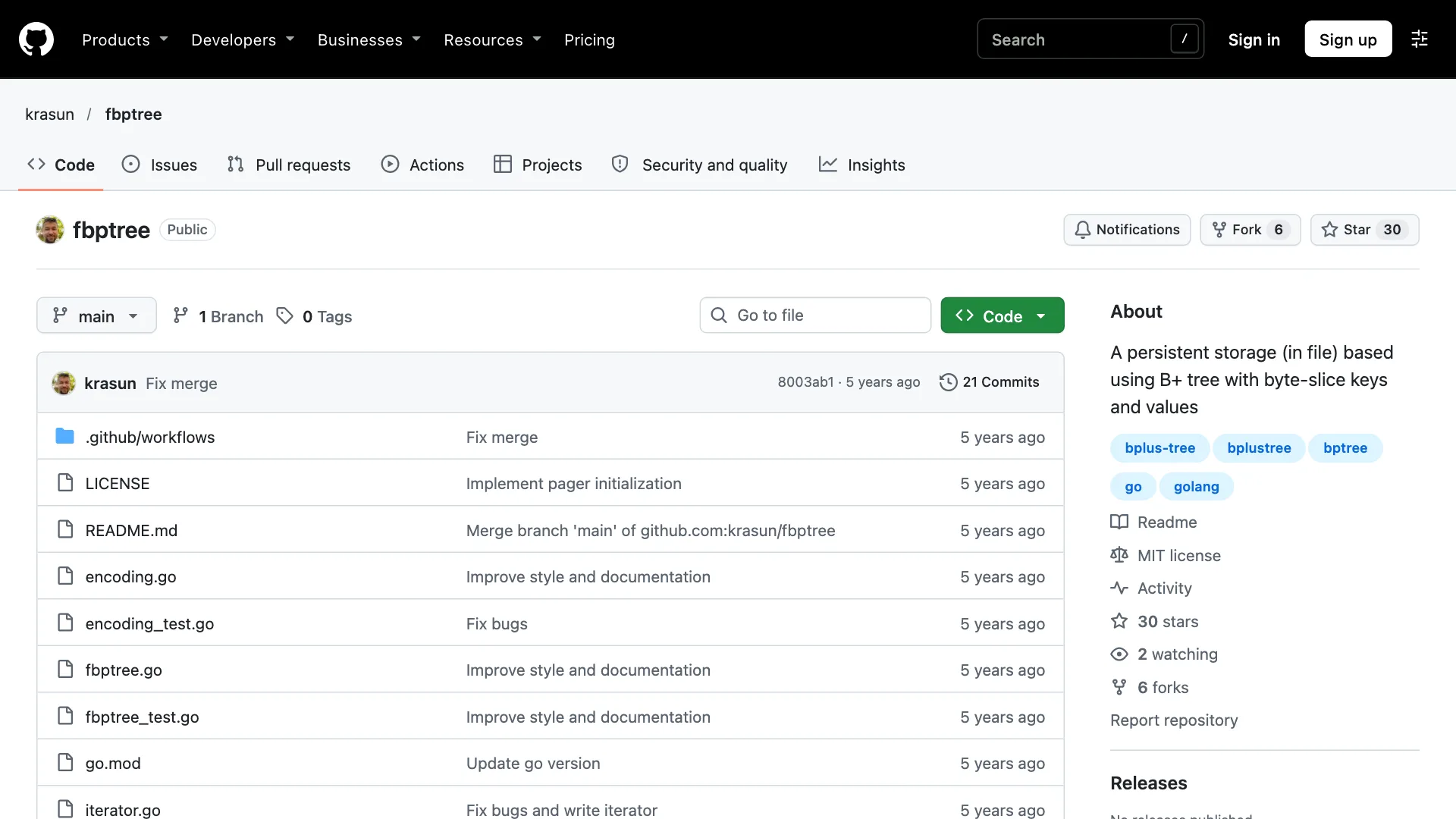
fbptree
↗ GitHub.com/krasun/fbptree
A persistent key-value storage engine in Go, built on a B+ tree stored in a file, with byte-slice keys and values.
- LSM-tree storage · Go
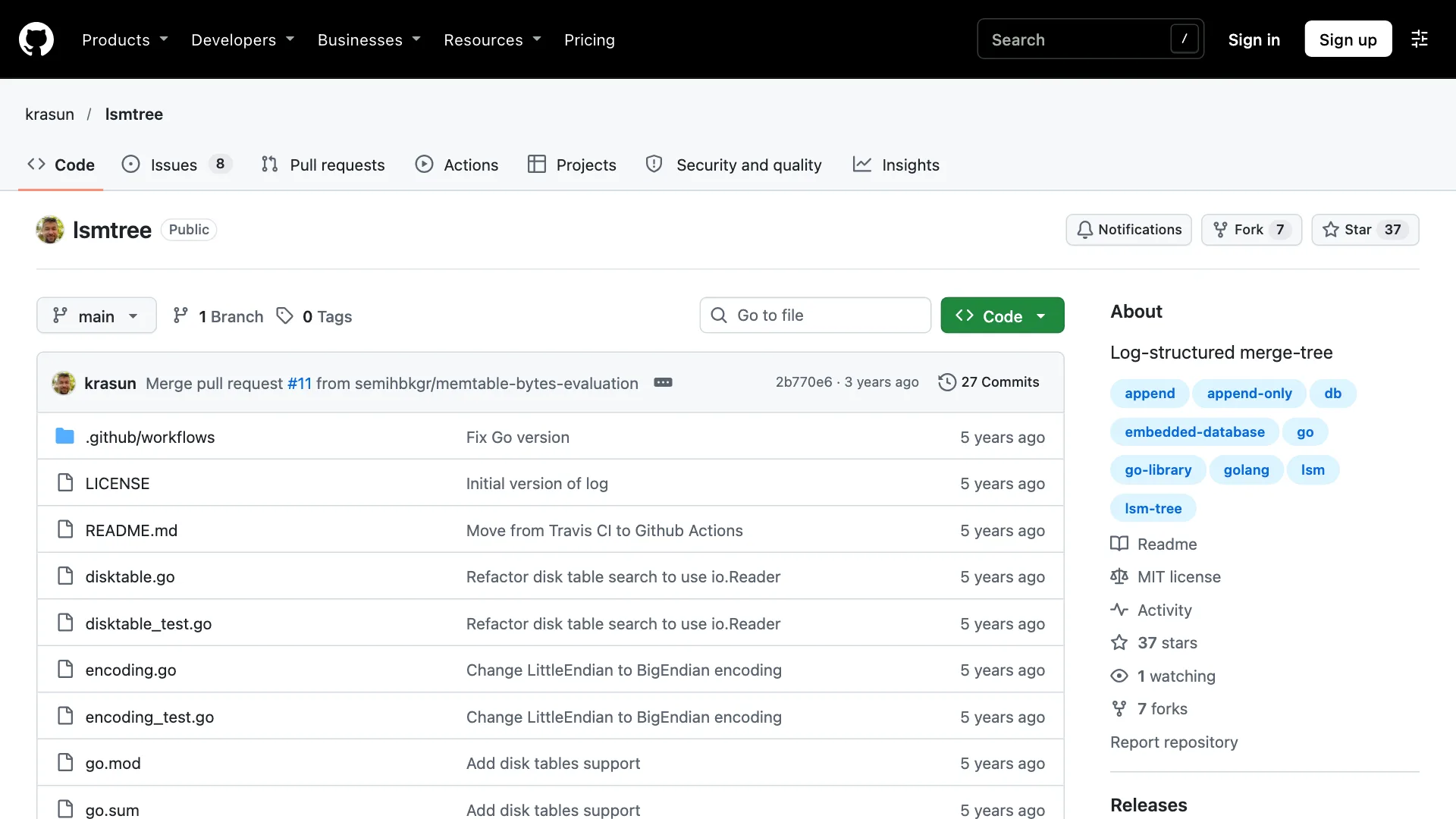
lsmtree
↗ GitHub.com/krasun/lsmtree
A log-structured merge-tree in Go, the storage structure behind databases like LevelDB and RocksDB.
-
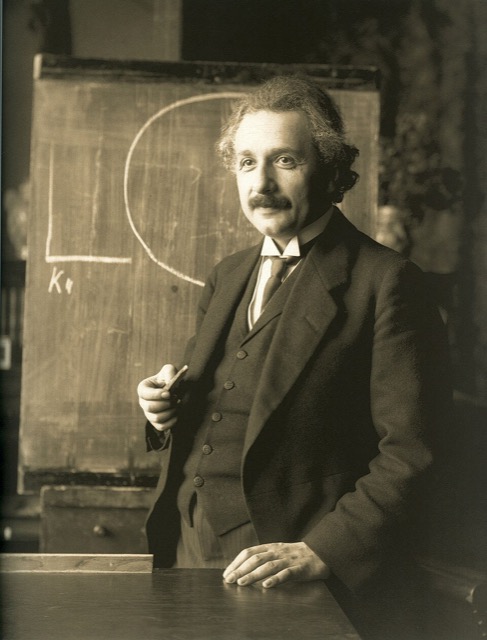
Vienna, 1921 “I have no special talents. I am only passionately curious.”
Letter to Carl Seelig, 1952 - Brand ranking in AI Archived
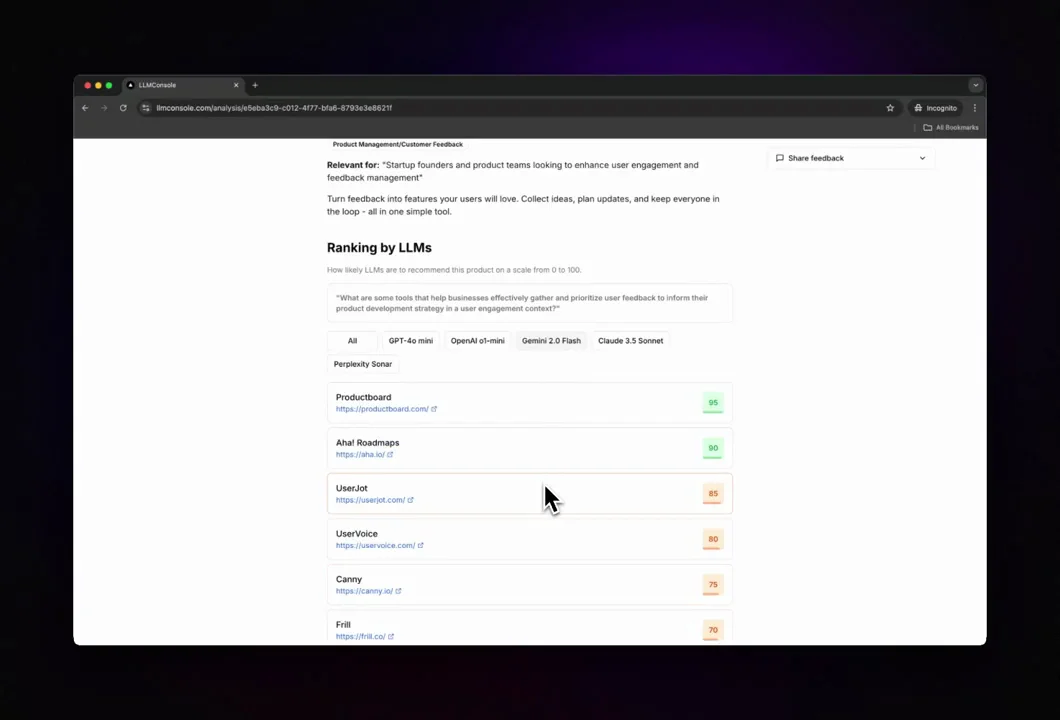
LLMConsole
↗ LLMConsole.com
Compares how likely LLMs like GPT, Claude, Gemini and Perplexity are to recommend your brand or product versus competitors to your target audience.